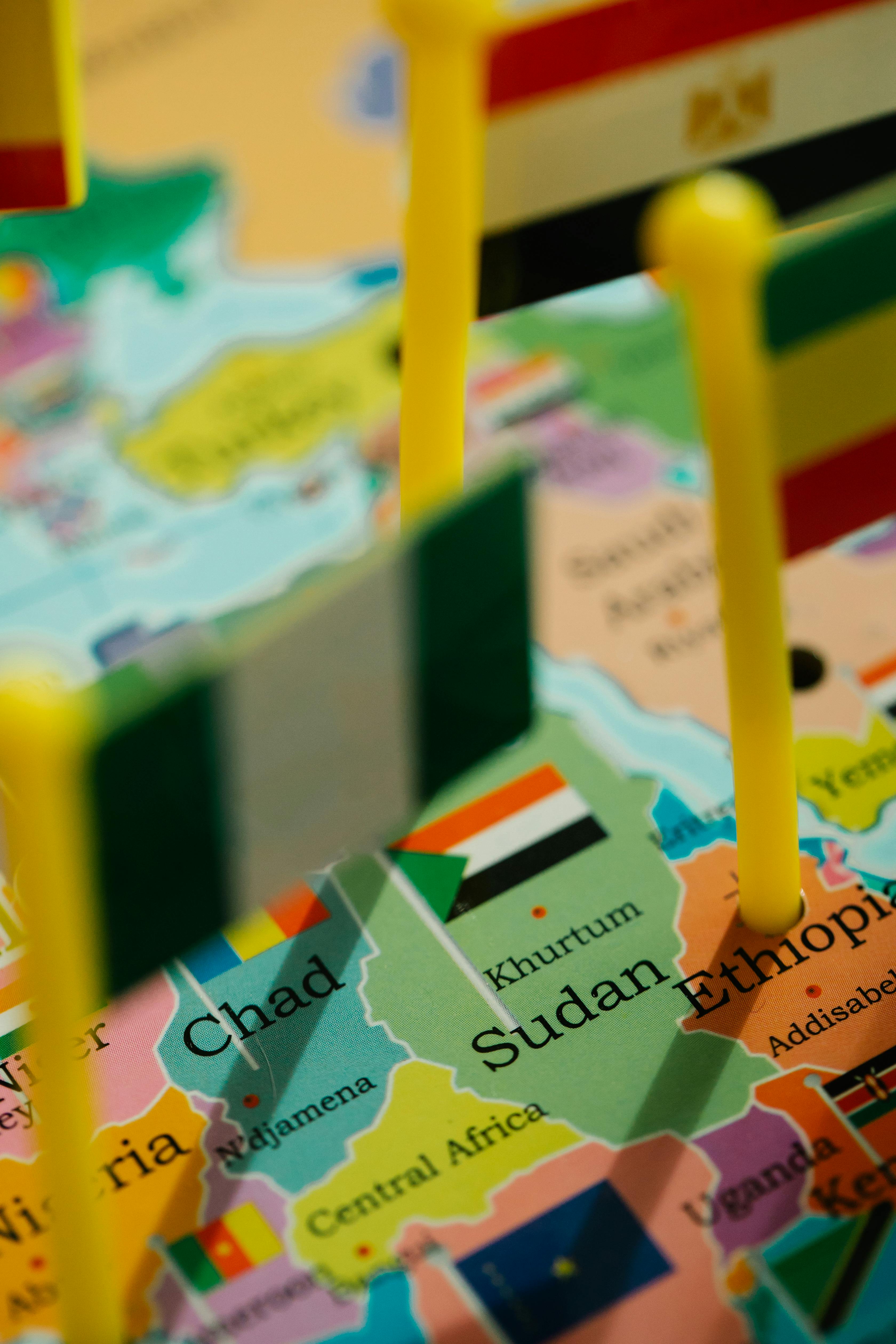
Africa is often treated as a single country, ignoring the 54 unique nations and cultures that exist.

Lessons and materials frequently contain misleading or incomplete information about African history and achievements.

Teaching often reinforces negative stereotypes, portraying Africa in a limited or harmful way.
Based on student survey responses
of students think Africa is taught differently to other continents
of students say lessons have been confusing, misleading, or inaccurate
“Seeing where I am from taught in such a manner, makes me feel as though my culture is inherently less than. It makes me feel like my school cares less about me”

Empower your school to implement the 54 Nations Code and transform how African nations are taught.
Review lessons to identify where African countries are grouped or misrepresented. Note any textbooks, activities, or resources that need updating to accurately reflect each nation.
Update teaching materials to highlight the unique history, culture, and achievements of each African nation. Provide accurate examples and context to give students a rich understanding of the continent.
Document your progress and share best practices with other schools. Encourage educators to adopt the 54 Nations Code and raise awareness about Africa’s diversity.
Behind this initiative is just one South London school student with a vision to reshape how Africa is understood. I created the 54 Nations Code after noticing how often Africa was spoken about as if it were a single place, through phrases like “African history” or “African culture.”
As a continent of 54 countries, each with its own identity, this lack of specificity felt both inaccurate and limiting. What began as a simple question grew into a determination to create something that could challenge that narrative.